
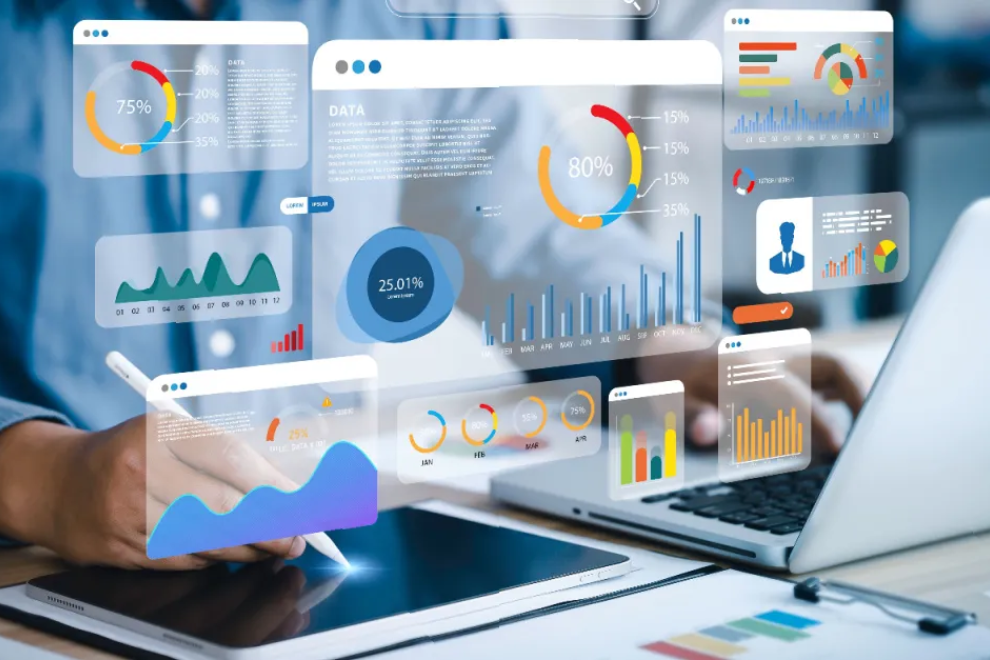
In today’s data-driven world, businesses are increasingly turning to analytics to make smarter strategy decisions. Analytics can provide valuable insights into customer behavior, market trends, and operational efficiencies. But how can businesses effectively use analytics to inform their strategies? This blog post explores the importance of analytics in business strategy, the different types of analytics, and how to implement analytics in your business strategy.
The Importance of Analytics in Business
Analytics is crucial in business strategy because it allows companies to make data-driven decisions. By analyzing data, businesses can identify patterns and trends that inform their strategies. For example, customer data can reveal preferences and behaviors that help companies tailor their products and services.
Why Analytics Matters
- Informed Decision-Making: Analytics provides a factual basis for decision-making, reducing reliance on intuition or guesswork.
- Competitive Advantage: Companies that leverage analytics can gain a competitive edge by understanding market trends and customer needs better than their competitors.
- Operational Efficiency: Analytics can help businesses optimize their operations, reducing costs and improving efficiency.
Types of Analytics for Business Strategy
There are several types of analytics that businesses can use:
- Descriptive Analytics: This type of analytics describes what has happened in the past. It includes techniques like data aggregation and data mining. Descriptive analytics helps businesses understand historical trends and patterns.
- Diagnostic Analytics: This type focuses on why something happened. It involves techniques like drill-down, data discovery, and correlations. Diagnostic analytics helps businesses understand the root causes of past events.
- Predictive Analytics: This type uses historical data to predict future outcomes. Techniques include regression analysis and machine learning. Predictive analytics enables businesses to forecast future trends and behaviors.
- Prescriptive Analytics: This type recommends actions based on predictions. It uses optimization and simulation algorithms. Prescriptive analytics helps businesses make informed decisions about future actions.
Implementing Analytics in Business Strategy
Implementing analytics in business strategy involves several steps:
- Data Collection: Gather relevant data from various sources such as customer interactions, sales transactions, and social media.
- Data Analysis: Use analytical tools and techniques to analyze the data. This can involve statistical analysis, data mining, and machine learning.
- Insight Generation: Derive insights from the analysis to inform business decisions. This involves interpreting the data and identifying key trends and patterns.
- Action Planning: Develop action plans based on the insights. This involves creating strategies and tactics to capitalize on the insights gained from the data.
Case Studies or Examples
Let’s consider a couple of examples:
- Retail: A retail company can use analytics to understand customer buying patterns and optimize inventory management. For instance, by analyzing sales data, a retailer can identify which products are most popular and ensure they are always in stock.
- Healthcare: Healthcare providers can use analytics to improve patient care and operational efficiency. For example, by analyzing patient data, hospitals can identify trends in patient outcomes and adjust their treatments accordingly.
Challenges in Implementing Analytics
- Data Quality: Ensuring that the data collected is accurate and reliable is crucial. Poor data quality can lead to incorrect insights and poor decision-making.
- Data Integration: Businesses often have data stored in different systems and formats. Integrating this data can be challenging but is essential for comprehensive analysis.
- Skill Gaps: There is often a shortage of skilled data analysts and scientists. Businesses need to invest in training and hiring to bridge this gap.
Overcoming Challenges
- Invest in Technology: Businesses should invest in advanced analytics tools and technologies to handle large datasets and perform complex analyses.
- Training and Development: Providing training for existing staff and hiring new talent with data analysis skills can help bridge the skill gap.
- Data Governance: Implementing robust data governance practices can ensure data quality and integrity.
The Role of AI in Analytics
While human expertise is crucial, AI can play a significant role in analytics. AI algorithms can process large datasets quickly and identify patterns that might be missed by human analysts. However, human oversight is essential to ensure that the insights generated by AI are accurate and relevant.
Future Trends in Analytics
Looking ahead, several trends are likely to shape the future of analytics in business strategy:
- AI and Machine Learning: These technologies will continue to advance, providing even more powerful tools for data analysis.
- Real-Time Analytics: The ability to analyze data in real-time will become increasingly important, allowing businesses to respond quickly to changing market conditions.
- Data Privacy and Security: As data becomes more valuable, ensuring its privacy and security will be paramount.
In conclusion, analytics is a powerful tool for making smarter business strategy decisions. By understanding the different types of analytics, implementing best practices, and leveraging both human expertise and AI technologies, businesses can gain valuable insights and make informed decisions.